
Tarrant County Court handles a variety of legal matters including criminal cases, civil disputes, family law, and probate issues. The court system is divided into different levels, each responsible for specific case types, ensuring that cases are addressed properly and efficiently. Filing fees vary based on the case, with civil filings typically costing between $100 and $300, while minor offenses and traffic violations have lower fees. Residents can access case information and court records online, making it easier to stay updated on hearings and rulings.
Being prepared for court dates is important. Arriving early with all necessary documents and understanding court procedures helps reduce stress. The court also offers resources for those representing themselves and customer support for questions about fees or filing requirements. Tarrant County Court is committed to providing clear and accessible services that help residents resolve their legal issues fairly and promptly.
How to Search Tarrant County Court Records Online
Case status and hearing dates are usually online, and a name search on the Tarrant County court records portal returns both. Note the case number for later requests.
Running a Court Records Search
Official Portal: https://www.tarrantcounty.com/en/district-clerk.html
Tarrant County provides a secure web portal where users can search for court records related to criminal, civil, probate, and family cases. Here’s how to use it effectively:
1. Open the District Clerk portal
Start at the District Clerk page linked above, then choose Court Records from the menu.
2. Choose the Right Court Type
Select the court type you’re interested in (e.g., District Courts for felonies and major civil cases, Justice of the Peace for small claims, or Probate Court).
3. Enter Search Information
Use full names for best results. Format names as Last Name, First Name (e.g., Smith, John). Avoid nicknames or abbreviations.
- You can also search using case number or citation number for quicker access.
- Use date filters to narrow results, especially for common names.
4. Review and Download Documents
Search results will display basic case info such as status, parties involved, and hearing dates. Some records include downloadable PDFs of court filings and judgments.
Tips for Accurate Searches
- Double-check spelling.
- Use full legal names.
- Try multiple filters if your search returns too many results.
Types of Tarrant County Court Records Available
Access to accurate and up-to-date Tarrant County Court records is crucial for anyone needing information on legal cases, background checks, or personal matters like marriage or divorce. Whether you’re a resident, attorney, or researcher, understanding the types of court records available can save you time and help you find what matters most.
Below, we break down the most commonly requested court records in Tarrant County.
Criminal Court Records
Tarrant County criminal court records include case files for felonies and misdemeanors. These records often provide:
- Arrest details
- Charges filed
- Scheduled court dates
- Sentencing outcomes
- Plea agreements
This information can be useful for tracking recent arrests, pending charges, or case resolutions. Residents can typically search these records by name, case number, or booking date.
Civil Court Records
Civil court records in Tarrant County cover a wide range of non-criminal cases, including:
- Contract disagreements
- Property disputes
- Landlord-tenant issues
- Small claims under a specific dollar amount
Each civil case file typically contains the parties involved, claims made, court decisions, and any awarded damages. These records help users verify judgments, review dispute outcomes, or confirm if a case is still pending.
Court Dockets
Tarrant County court dockets are updated regularly and display a day-by-day schedule of court hearings. Users can search and filter by:
- Court type (criminal, civil, family, etc.)
- Date of the hearing
- Names of the involved parties
Future court dockets can be useful for attorneys, defendants, and the public to stay informed about upcoming proceedings. Many records are available online for quick access.
Jail Inmate Roster
The list refreshes several times a day, and families often check the Tarrant County inmate roster to see whether a booking has turned into a release. Each entry usually shows:
- Full name of the inmate
- Booking number and date
- Charges and offense level
- Bond amount, if applicable
Entries drop off once a person is released, so a name that no longer appears has usually left custody. Confirm any booking with the sheriff’s office before relying on it.
Marriage & Divorce Records
Marriage and divorce records are kept by the Tarrant County Clerk’s Office. These documents include:
- Marriage licenses (issued and filed)
- Divorce decrees
- Final judgments
While marriage licenses are public, divorce records might require a valid reason or identity verification to access. These are often used in background checks or legal name change processes.
Traffic & Minor Offenses
Traffic violations and citations for minor infractions like:
- Speeding
- Parking violations
- Failure to appear
- Driving without insurance
These cases may not carry heavy legal consequences but still show up in Tarrant County Court records. Information available typically includes citation details, court deadlines, fines owed, and payment status.
Why This Matters
Having access to specific types of Tarrant County Court records helps individuals:
- Track ongoing legal cases
- Confirm someone’s legal status
- Obtain necessary paperwork for administrative processes
- Stay informed about court hearings and schedules
Whether you’re checking a civil dispute, looking for arrest information, or verifying marriage documentation, Tarrant County makes most of these records publicly available, either online or in-person at the courthouse.
Tarrant County Court System
The Tarrant County Court system plays a central role in serving residents of Fort Worth and surrounding communities. Whether you’re dealing with a civil dispute, criminal matter, family issue, or probate case, it helps to know which court handles what, where to go, and how to get in touch.
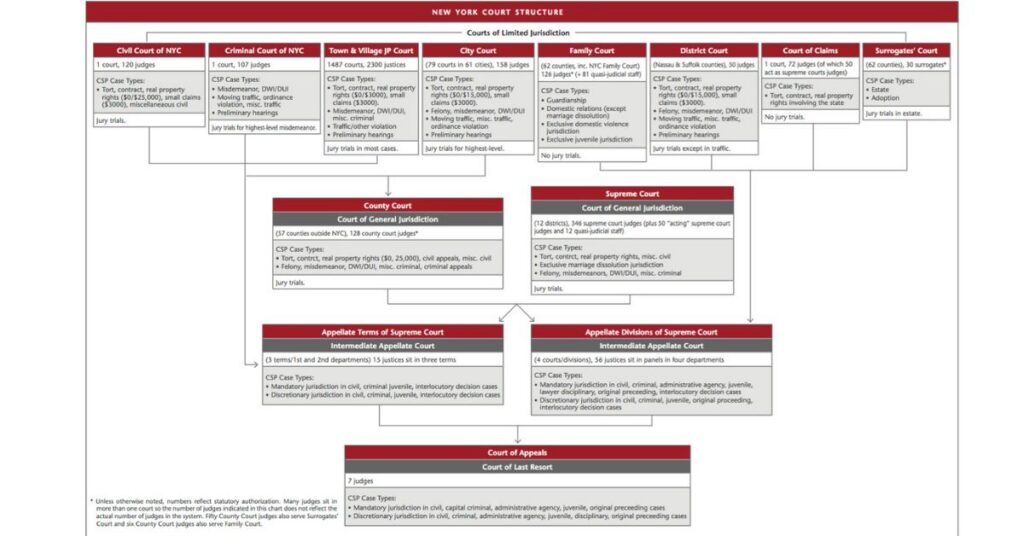
This overview breaks it all down in clear, simple terms to make your experience smoother
Court Structure: Civil, Criminal, Family, Probate
Tarrant County operates several types of courts, each with specific responsibilities:
Criminal Courts
These courts handle offenses ranging from misdemeanors to serious felonies. Felony trials are held at the Tim Curry Criminal Justice Center, while misdemeanors may be heard in County Courts at Law.
Civil Court
Civil courts manage non-criminal matters like contract disputes, personal injury cases, and landlord-tenant issues. These are usually heard in the County Courts at Law or District Courts, depending on the case size.
Family Courts
Family-related issues such as divorce, custody, child support, and adoption are managed by the Family Law Center. These courts focus on resolving sensitive matters with a goal of fairness for all parties involved.
Probate Courts
Probate courts deal with wills, estates, and guardianships. If you’re handling the affairs of a deceased relative or need guardianship orders, the Probate Courts provide the right venue.
Key Court Locations in Tarrant County
Find the main courthouses by case type and their contact details below:
Tim Curry Criminal Justice Center
- Use: Felony criminal cases, some administrative court operations
- Address: 401 W. Belknap Street, Fort Worth, TX 76196
- Map: Google Maps
Family Law Center
- Use: Divorce, custody, child support, adoption
- Address: 200 E. Weatherford Street, Fort Worth, TX 76196
- Map: Google Maps
County Courts at Law
- Use: Misdemeanor cases, civil claims under a certain threshold
- Address: Various locations within the County Plaza and Downtown Fort Worth courthouse buildings
- Main Location: 100 W. Weatherford Street, Fort Worth, TX 76196
- Map: Google Maps
Justice of the Peace Courts
- Use: Small claims (up to $20,000), evictions, traffic tickets, truancy
- Address: Multiple precincts across Tarrant County. Use the official site to find your precinct: JP Court Finder
Each location is accessible and usually open Monday through Friday, from 8 a.m. to 5 p.m. Be sure to check for court-specific holidays and operating hours before visiting.
How to Contact Each Court
Here’s a quick reference for reaching the main courts in Tarrant County:
Criminal Court Contact
- Phone: (817) 884-1342
- Location: Tim Curry Criminal Justice Center
Family Court Contact
- Phone: (817) 884-1616
- Location: Family Law Center
County Courts at Law Contact
- Civil Division: (817) 884-1101
- Criminal Division: (817) 884-1240
- Location: Tarrant County Courthouse
Probate Court Contact
- Phone: (817) 884-1770
- Location: 100 W. Weatherford Street, Fort Worth, TX 76196
Justice of the Peace Courts Contact
- Varies by precinct. General inquiries: (817) 884-1289
- Use the court finder for direct numbers to your JP court
Each court’s website also offers contact forms and online resources to help you find case information, court dates, or e-filing options.
Tarrant County Clerk’s Office – Services
The Tarrant County Clerk’s Office plays a crucial role in managing public records and legal documents throughout the county. Whether you’re filing a deed, requesting a birth certificate, or need access to court records, this office provides the support residents and businesses depend on.

What the Tarrant County Clerk Handles
The Clerk’s Office is responsible for maintaining official records related to:
- Civil, probate, and misdemeanor court cases
- Real estate and property filings
- Marriage licenses and birth/death certificates
- Assumed name (DBA) registrations
- Protective orders and more
This office works to make sure records are kept accurate and accessible. It serves both the general public and legal professionals throughout Tarrant County.
How to Request Certified Documents
You can request certified copies of documents such as birth or death certificates, marriage records, and court files. Requests can be made:
- In-person: Visit one of the Clerk’s Office locations throughout Tarrant County. Offices are typically open Monday to Friday, 8 a.m. to 5 p.m.
- By mail: Include a completed application, valid ID copy, and payment. Mailed requests are processed within 7–10 business days.
- Online: Use the Tarrant County Clerk’s website to request certified records. Payment can be made securely through their portal.
Fees vary by document type. For example, a certified copy of a birth certificate currently costs $23, while marriage license copies are $21 as of May 2025. Always check the latest pricing on the official website to avoid surprises.
In-Person vs. Online Services
For many residents, visiting the office is the fastest option when immediate service is needed. However, the online system is convenient for non-urgent requests or those who can’t travel. Services available online include:
- Searching real estate records
- Ordering certified documents
- Applying for a marriage license
- Paying court-related fees
In-person visits are still required for some services like administering oaths, proving wills, or handling certain legal filings.
What to Bring When You Visit
When visiting the Clerk’s Office, bring a valid photo ID and any relevant case or record information. For example, if you’re requesting a court record, knowing the case number will help staff locate your file faster.
How to Check Today’s Tarrant County Filings
Court filings, dockets and jail records in Tarrant County are public. Each court keeps its own schedule, so the official source for that court is the fastest route.
- District and county courts: search civil, criminal, family and probate cases by name or case number through the Tarrant County District Clerk.
- Daily dockets: the court’s own docket calendar lists hearings by date, courtroom and party name. Dockets change often, so check on the morning of the hearing.
- Jail and arrest records: the Tarrant County Sheriff’s Office publishes current bookings, charges and bond amounts.
- Marriage, divorce and vital records: the County Clerk holds marriage licenses and divorce filings. Birth and death certificates come from the Texas DSHS.
- Older files: anything not online usually needs a written request to the clerk, with a copy fee per page.
Court structure and filing rules sit with the Texas courts. A record counts as official only when it comes from the county or the court. This page is a plain-language summary, built to point you to the right office.
Frequently Asked Questions (FAQs)
Need help with Tarrant County court records or searches? Here are quick answers to common questions.
How do I search Tarrant County court records online?
You can search Tarrant County court records online by entering a first and last name in the public records search section. The system provides access to civil, criminal, and jail records depending on availability.
Are Tarrant County criminal records available to the public?
Yes, many Tarrant County criminal records are available to the public, including case numbers, charges, court dates, and dispositions. Sensitive information may be redacted per Texas privacy laws.
How often is the Tarrant County inmate roster updated?
The Tarrant County jail inmate roster is typically updated multiple times daily. For the most accurate and recent information, use the online lookup tool or contact the jail directly.
What information do I need to search Tarrant County court dockets?
To search Tarrant County court dockets, you typically need a party’s name, case number, or hearing date. You can filter by court type, such as civil, criminal, or family law.
Can I get Tarrant County divorce or marriage records?
Yes, you can access divorce decrees and marriage license information filed in Tarrant County. These records may require a request through the County Clerk’s Office or the Texas Vital Statistics Unit.
Is this site affiliated with the official Tarrant County government?
No, this website is a privately-run information portal and is not affiliated with the Tarrant County government or court system. All data is sourced from public records and is for informational use only.